Maximize Sales: Bespoke Multi-Channel E-Commerce Analytics Services
Throughout today's digital landscape, businesses face intensifying strain to understand their customers. Tailored omnichannel e-commerce analytics offerings furnish a approach. By pooling information from various platforms, companies can uncover valuable insights into customer patterns. This knowledge is paramount for developing potent marketing strategies. Still, the path of putting into place these capabilities remains multifaceted and requires careful consideration. What factors should enterprises highlight to attain success?
Understanding Multi-Channel E-Commerce Data Analysis
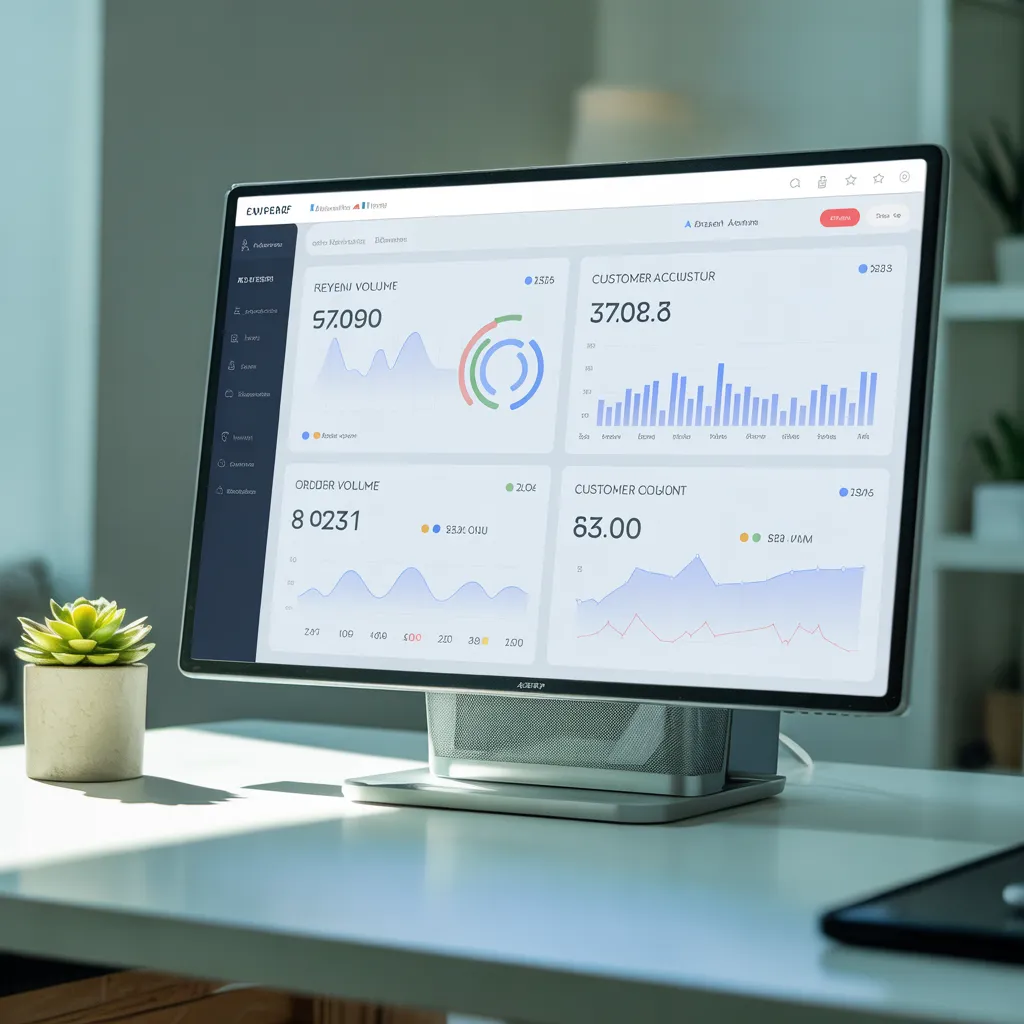
In the present-day competitive marketplace, nearly 73% of customers engage with multiple channels before making a sale. Multi-channel e-commerce analytics involves the approaches and tools that track consumer interactions across various platforms, such as online stores, social media, and email marketing. By aggregating data from these different channels, businesses gain a comprehensive view of customer behavior, preferences, and purchasing patterns. This analytics approach permits better understanding of how each channel plays a role in the overall customer journey. Additionally, it helps companies to identify trends, optimize marketing strategies, and allocate resources prudently. As consumers increasingly move among different touchpoints, the need for thorough analytics becomes paramount. Understanding these dynamics is key for businesses working to improve customer experiences and improve engagement. Ultimately, effective multi-channel e-commerce analytics can provide the insights needed to adapt to evolving consumer behaviors and market demands.
Advantages of Multi-Channel E-Commerce Reporting for Your Enterprise
Using omnichannel sales data analysis can greatly enhance a company's capacity for comprehending and reacting to customer behavior. By aggregating information across multiple channels, businesses obtain comprehensive understanding into customer preferences and purchasing patterns. This knowledge allows businesses to customize their promotional approaches with precision, targeting specific demographics through customized offers.
Moreover, multi-channel analytics can spot the most revenue-optimal sales channels, helping firms to deploy investments more efficiently. This streamlining can contribute to increased conversion rates and strengthened customer persistence. Likewise, firms can record performance in real-time, enabling for immediate recalibrations to marketing campaigns based on data-driven conclusions.
Through enhanced decision-making, companies can stay competitive in a saturated marketplace. Ultimately, the benefits of omnichannel retail data insights not only optimize workflow efficiency but also build stronger relationships with customers, paving the way for sustained growth and profitability.
Essential Measurements for Successful Omnichannel Data Analysis
Reliable multi-channel analytics relies on a set of essential indicators to gauge performance throughout various platforms. Key Performance Indicators, channel-specific metrics, and conversion rate analysis are essential for understanding how each channel impacts overall business success. By supervising these metrics, businesses can make informed decisions to optimize their e-commerce strategies.
Key Results Indicators
While managing the intricacies of multi-channel e-commerce, businesses must identify and monitor key performance indicators (KPIs) to guarantee optimal performance. KPIs function as essential benchmarks that help assess various aspects of e-commerce activities. Metrics such as conversion rates, average order value, and customer acquisition cost offer understanding into sales performance and marketing effectiveness. Furthermore, tracking customer lifetime value and return on investment (ROI) helps in assessing long-term profitability. Tracking these KPIs enables businesses to spot patterns, optimize campaigns, and improve customer interactions. By focusing on these key metrics, organizations can take data-driven decisions, ensuring sustained growth and improved performance across all channels. Ultimately, a thorough understanding of KPIs is crucial for multi-channel e-commerce success.
Separate Channel Metrics
To optimize omnichannel e-commerce strategies, companies must focus on channel-specific metrics that provide focused insights into each sales platform. These metrics include sales volume, average order value, and customer acquisition costs specific to each channel, enabling companies to evaluate performance accurately. Additionally, tracking engagement rates on social media or email campaigns can uncover which channels resonate most with customers. Comprehending return rates and customer feedback for each platform helps identify areas for improvement. By analyzing these channel-specific metrics, organizations can tailor their marketing efforts, allocate resources effectively, and enhance customer experiences. Ultimately, this strategic approach promotes informed decision-making, generating better results across diverse e-commerce channels.
Conversion Rate Study
Conversion rate analysis serves as an essential element of multi-channel e-commerce analytics, delivering insights into how effectively each channel transforms browsers into buyers. By analyzing the percentage of users who complete a intended outcome, businesses can identify strengths and weaknesses across different platforms. This analysis enables the assessment of various factors, such as user experience, marketing effectiveness, and product appeal. Additionally, comparing conversion rates among channels can underscore which platforms generate the highest returns, guiding resource allocation and strategic focus. Implementing focused enhancements based on this data can greatly enhance overall performance. Ultimately, conversion rate analysis empowers e-commerce businesses to refine their approaches, guaranteeing they meet customer needs effectively and drive sales growth.
Choose the Top Data Analysis Platforms for Your Requirements
Selecting the correct analytics tools commences with establishing key performance indicators that correspond with business goals. copyrightining integration options is required to confirm consistent information transfer between platforms. This detailed evaluation procedure enables e-commerce businesses to capitalize on data effectively.
Recognize Vital Efficiency Indicators
Identifying critical metrics (KPIs) is important for any online retail company aiming to optimize its performance and drive growth. KPIs serve as quantifiable metrics that gauge the impact of various business tactics. Common KPIs include conversion rates, average order value, customer acquisition cost, and cart abandonment rates. Selecting the right KPIs enables businesses to focus on key regions for development, making certain that resources are assigned efficiently. Additionally, aligning KPIs with business objectives is vital, as it delivers a clear framework for evaluating success. Consistently tracking these indicators allows e-commerce companies to obtain actionable insights, modify strategies, and ultimately boost customer satisfaction and profitability. By focusing on pertinent KPIs, businesses can substantially enhance their analytical capabilities and operational efficiency.
Evaluate Platform Integration Alternatives
Evaluating integration choices for tools is crucial for online retailers aiming to leverage analytics in an effective manner. Selecting the appropriate analytics solutions can greatly enhance decisions based on data and streamline operations. Businesses should evaluate compatibility with existing platforms, ease of use, and the level of detailed insights. Popular tools like Google Analytics, Adobe Analytics, and Shopify Analytics provide multiple functionalities customized for specific requirements. Additionally, connectivity options with CRM systems, email marketing platforms, and social media channels are essential for a holistic view of customer behavior. By copyrightining these elements, e-commerce businesses can ensure they adopt tools that not only fit their current requirements but also scale as they grow, ultimately driving sales and improving customer engagement.
How Can You Successfully Implement Your Data Analytics Strategy?
Businesses must initially set clear objectives that fit with their comprehensive business objectives to effectively implement an data analytics plan. This vital foundation guarantees that every analytical undertaking serves a particular need, whether it's increasing sales, improving customer retention, or optimizing marketing campaigns.
Once objectives are defined, the following step consists of identifying fitting platforms and resources that promote data gathering and interpretation. Enterprises must emphasize user-friendly solutions that integrate seamlessly with existing systems.
Educating staff on these tools is vital for effective data interpretation and decision-making. Frequently assessing analytics performance against the established objectives allows businesses to modify their plans as necessary.
Moreover, creating a metrics-based mindset within the organization inspires all team members to utilize insights in their strategic choices. By maintaining open communication and cooperation across departments, businesses can enhance the overall effectiveness of their data initiatives, driving more informed decisions and enhanced results.
Success Stories: Analytics in Action
Many organizations have effectively modernized their processes through the strategic application of analytics, showcasing the power of decisions based on data insights. For copyrightple, a mid-sized fashion retailer leveraged sophisticated analytical tools to monitor customer activity across various platforms. By identifying buying trends and customer preferences, the retailer optimized its stock levels, reducing excess stock by 30% and increasing sales by 20% within six months.
In a comparable manner, an online electronics store employed current data metrics to upgrade its marketing strategies. By reviewing customer engagement, the store individualized email promotions, attaining a 25% expansion in click-through rates and a substantial lift in conversions.
These case studies show how customized online retail data analysis solutions can produce substantial improvement in sales and operational efficiency. By leveraging data effectively, companies not only improve customer experiences but also secure a competitive edge in the rapidly evolving online commerce space. The deliberate implementation of data analysis becomes crucial for sustainable growth.
Regularly Asked Queries
How Much Do Personalized Analytics Services Typically Cost?
Specialized analytical services usually run between $500 to $5,000 per month, contingent on the complexity and breadth of the services offered. Factors like data volume and sought-after insights likewise impact pricing structures substantially.
How Do I Select the Right Data Analysis Provider?
To identify the right analytics solution provider, one should assess competence, industry background, reputation, and service options. Additionally, copyrightining client testimonials and ensuring suitability with specific business needs are critical for making an sound decision.
What Sectors Benefit Most From Multi-Channel Analysis?
Retail, hospitality, and consumer goods industries derive significant benefits from multi-channel analytics. These verticals capitalize on information to boost customer involvement, refine inventory management, and enhance commercial approaches, accelerating check now advancement through strategic decision-making across various platforms.
How consistently Should I track My analytical reports?
copyrightining analytical metrics on a consistent schedule every week or month is advised. This frequency enables businesses to detect patterns, implement rapid changes, and enhance strategies effectively, making sure they stay responsive to evolving customer actions and market dynamics.
Will Analytical Platforms Be Compatible With Already Installed Systems?
Yes, analytics resources can integrate with existing systems. Many platforms feature APIs or built-in connectors, allowing seamless data exchange and maximizing operational efficiency. This integration fosters thorough insights, supporting informed decision-making across various business functions.